Anxiety or Just Stress? A Quick Mental-Health Checklist

The key difference: stress is short-term and tied to a trigger; anxiety lingers even when the trigger is gone. If persistent worry, physical symptoms, disturbed sleep and avoidance last for weeks, it may be anxiety — and worth talking to a professional.
Stress vs. anxiety — the real difference
| Stress | Anxiety | |
|---|---|---|
| Duration | Eases when the situation passes | Persists without a clear trigger |
| Body | Tension, fatigue, headaches | Racing heart, dizziness, nausea |
| Mind | Irritable, overwhelmed | Excessive fear, dread, panic |
| Daily life | You can still function | You start avoiding things |
The quick checklist
The more of these that sound like you — and the longer they've lasted — the more it leans toward anxiety rather than stress:
- Symptoms have lasted weeks or months, not days.
- Frequent racing heart, shortness of breath, trembling or stomach upset.
- Waking up panicked, nightmares or ongoing insomnia.
- Avoiding people, places or tasks to dodge the worry.
- Difficulty concentrating because your mind won't settle.
Simple coping steps
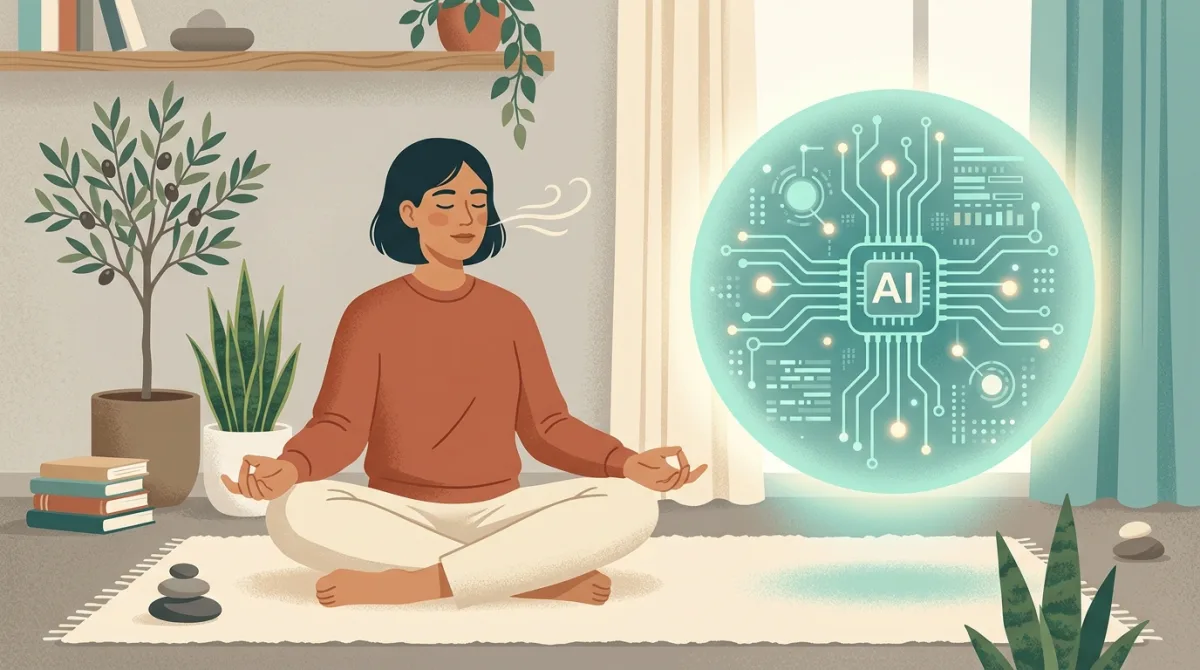
Slow breathing (4 in, 6 out), regular movement, limiting caffeine, and a consistent sleep routine all calm the nervous system. If symptoms disrupt your daily life, a doctor or therapist can help — reaching out is a strength, not a weakness.
Key takeaways
- Stress fades with its trigger; anxiety lingers without one.
- Several persistent symptoms over weeks is the signal to seek help.
- Breathing, movement, sleep and less caffeine genuinely help.
- Talking to a professional early makes anxiety far easier to manage.
This article is for general education and is not medical advice. Always consult a qualified healthcare professional about your individual health.