AI Anxiety: How to Cope When You're Afraid AI Will Take Your Job
If headlines about AI replacing jobs leave you tense, you're experiencing AI anxiety — a very 2026 form of future-focused worry. It's normal, but left unchecked it drains sleep and focus. The fix isn't ignoring AI; it's regaining a sense of control: limit doomscrolling, build skills AI can't easily copy, and treat the worry like any other anxiety with proven calming tools.
Every week brings another headline about what artificial intelligence can now do. For many people in 2026, that's curdled into a low, persistent dread: Will my job still exist in five years? Psychologists have a name for this future-focused stress — and the good news is the tools that calm other anxieties work here too.
Why AI anxiety hits so hard
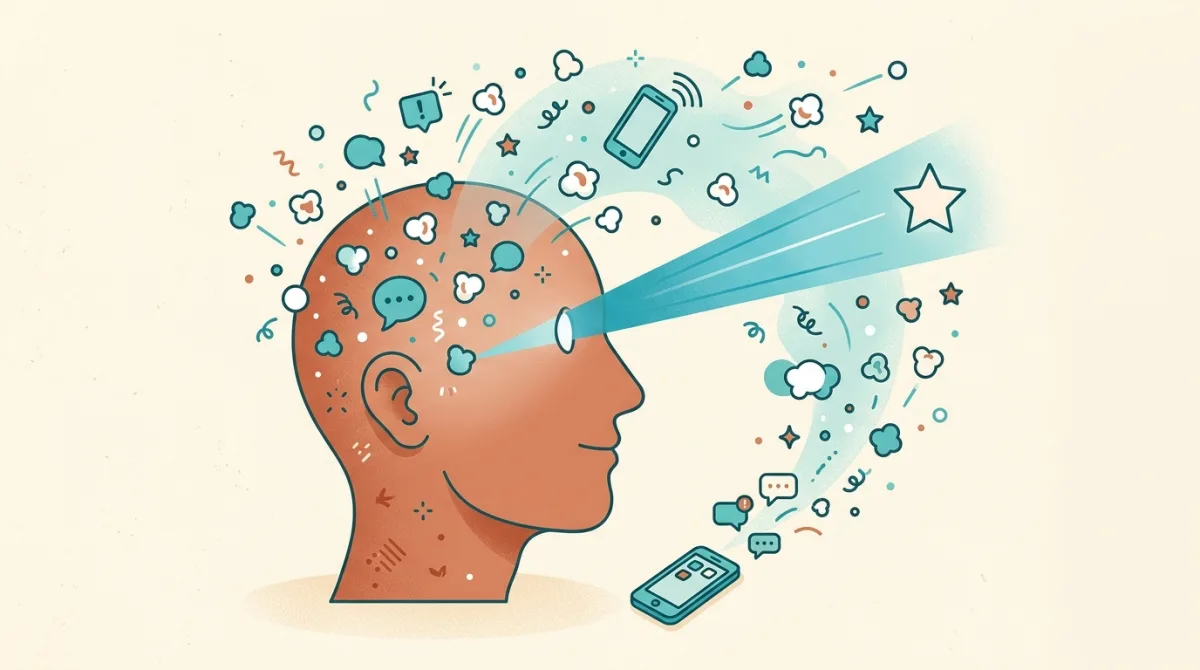
Our brains are wired to fear uncertain, uncontrollable threats — and AI feels exactly like that: fast-moving, abstract, and outside your control. Add a constant feed of alarming predictions and it's no surprise so many people feel on edge. This is real anxiety, not weakness.
Take back a sense of control
- Cap the doomscrolling. Set a daily limit on AI-news consumption — awareness is useful, marination is not.
- Invest in 'human' skills. Judgement, communication, creativity, care and hands-on work are harder to automate. Growing these turns helplessness into momentum.
- Learn the tools, don't just fear them. People who use AI to do their work better tend to feel far less threatened by it.
- Focus on what's in your hands this month — a course, a conversation, a side skill — rather than a future you can't predict.
Calm the physical worry
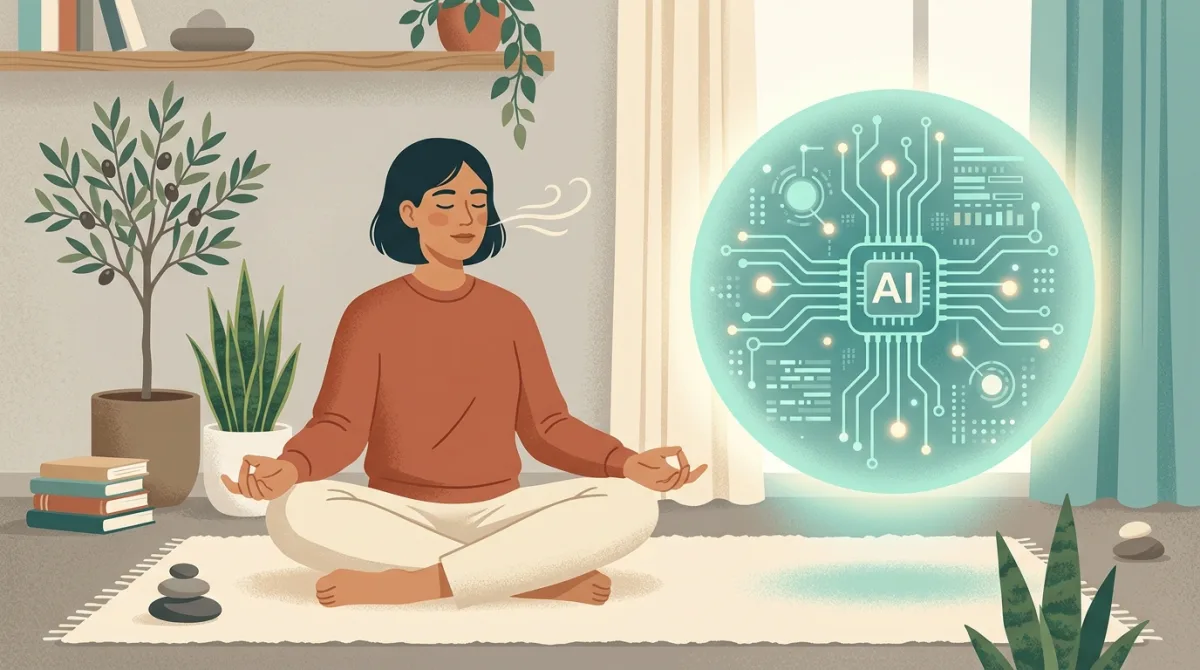
When the dread spikes, treat it like any anxiety: slow breathing (in for 4, out for 6), regular movement, protected sleep, and talking it through with someone. If worry about the future is disrupting your sleep, focus or mood for weeks, a therapist can help you build a steadier footing.
Key takeaways
- AI anxiety is a real, common 2026 stressor — not a character flaw.
- Control the inputs: cap AI doomscrolling.
- Build human-centred skills and learn to use AI, not just fear it.
- Persistent worry that wrecks sleep or focus deserves professional support.
This article is for general education and is not medical advice. Always consult a qualified healthcare professional about your individual health.