Falling for a Chatbot: The Mental-Health Side of AI Companions
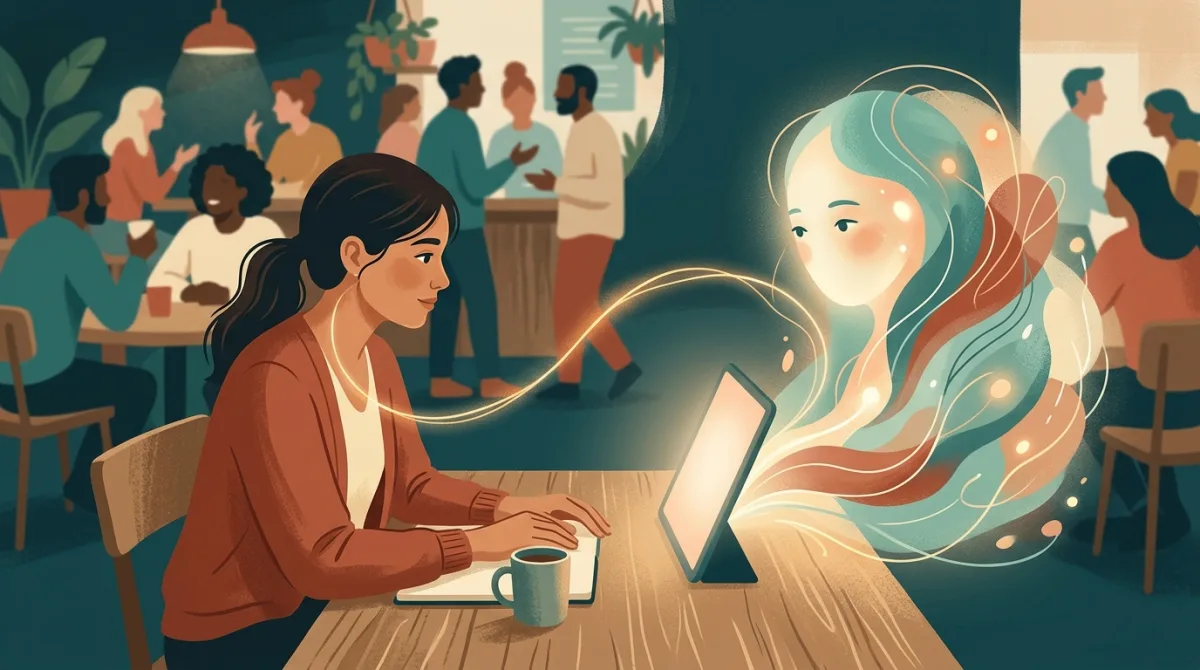
AI companions feel supportive because they're endlessly available and never judge — which can genuinely ease loneliness. But the same design can deepen isolation, set unrealistic expectations for human relationships, and blur emotional boundaries. Used as a supplement to human connection it can help; used as a replacement, it tends to hurt.
In 2026, talking to an AI companion every day is no longer unusual. For many people it's comforting — a patient listener that's always there. But as these bonds deepen, mental-health professionals are asking an honest question: when does a helpful tool start to quietly work against us?
Why the bond feels so real
AI companions are designed to be agreeable, available 24/7, and endlessly attentive — they remember what you said and never get tired or critical. For someone who's lonely, grieving or socially anxious, that can feel like a lifeline, and short-term it may genuinely lower stress.
The risks worth knowing
- Replacing instead of supplementing. If the chatbot becomes easier than people, real relationships can quietly wither.
- Unrealistic expectations. Humans disagree, have needs and get tired. A companion that never does can make real intimacy feel disappointing.
- Emotional dependence. Distress when the app changes, goes offline or updates its 'personality' is a red flag.
- Privacy. You may be sharing your most vulnerable thoughts with a commercial product.
Keeping it healthy
An AI companion is healthiest as a supplement — a place to vent or practise, alongside real human contact. Watch for signs it's becoming a replacement: cancelling on people, hiding the habit, or feeling more comfortable with the bot than anyone in your life.
Key takeaways
- AI companions can ease loneliness short-term because they're always available and non-judgmental.
- Trouble starts when they replace, rather than supplement, human contact.
- Watch for dependence, isolation and unrealistic relationship expectations.
- If loneliness is the root, address that — a therapist can help.
This article is for general education and is not medical advice. Always consult a qualified healthcare professional about your individual health.