Fibermaxxing: The 2026 Gut-Health Trend Worth Trying (the Right Way)
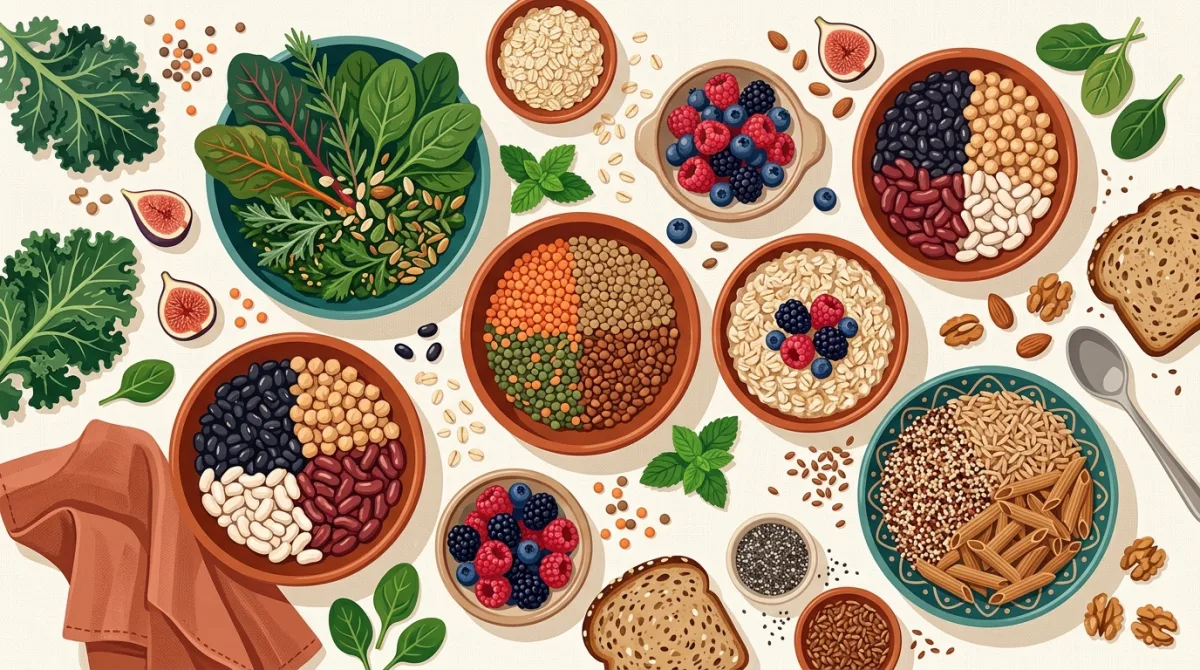
‘Fibermaxxing’ is the 2026 trend of deliberately eating much more fibre for better gut health, steadier blood sugar and easier weight control. Most people genuinely under-eat fibre, so the goal is sound — but ramping up too fast causes gas and bloating. Increase gradually, drink more water, and prioritise variety over a single 'super' fibre.
For once, a viral nutrition trend points in a sensible direction. ‘Fibermaxxing’ — making fibre the star of your plate — is everywhere in 2026, and it's built on a real problem: most people eat barely half the fibre they need.
Why fibre deserves the spotlight
Fibre feeds your gut bacteria, which in turn support digestion, immunity and even mood. A high-fibre diet is linked to steadier blood sugar, lower cholesterol, better regularity, and easier weight management because it keeps you full. It's one of the most evidence-backed eating upgrades there is.
How to maxx without the bloat
The classic mistake is doubling your fibre overnight — your gut rebels with gas and bloating. Instead:
- Ramp up slowly over 2–3 weeks.
- Drink more water — fibre needs fluid to do its job.
- Spread it across meals rather than one giant fibre bomb.
- Favour variety — different plants feed different gut bacteria.
Best fibre sources
Lean on whole foods rather than powders: beans and lentils, oats, berries, chia and flax, whole grains, nuts, and vegetables with their skins on. Aiming for 30+ different plant foods a week is a friendly target.
Key takeaways
- Most people under-eat fibre, so fibermaxxing targets a real gap.
- Ramp up slowly and drink more water to avoid bloating.
- Variety beats a single 'super' fibre — aim for many plants.
- With IBS or gut issues, increase fibre carefully and seek advice.
This article is for general education and is not medical advice. Always consult a qualified healthcare professional about your individual health.