Wellness
The Gut-Brain Connection: How Your Diet Affects Your Mood
Quick answer
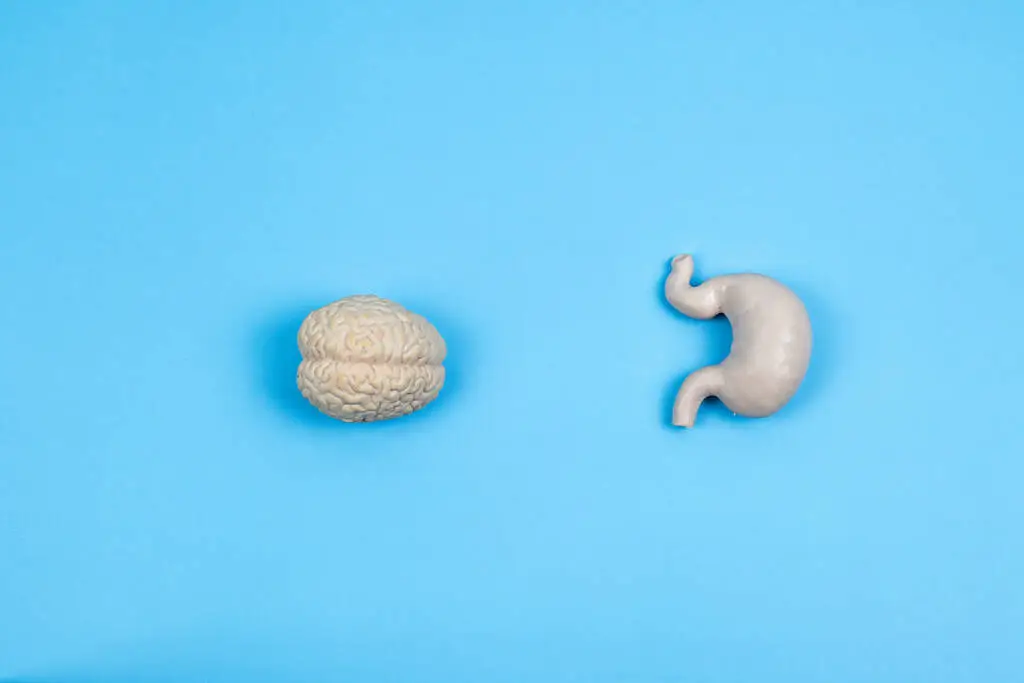
Your gut and brain are linked by the vagus nerve and microbiome — which makes about 90% of your serotonin. Fermented foods, omega-3s, prebiotic fibre and polyphenols support mood; sugar, artificial sweeteners and fried foods work against it.
Your “second brain”
Your gut hosts roughly 100 trillion microbes that talk directly to your brain through the vagus nerve. Gut bacteria produce most of your serotonin, and fibre-fed short-chain fatty acids calm inflammation. People with depression often have less diverse gut bacteria — which is why what you eat can shift how you feel.
Foods that lift mood
- Fermented foods (yogurt, kefir, kimchi) — add mood-friendly bacteria.
- Omega-3s (salmon, walnuts) — lower brain inflammation.
- Prebiotic fibre (garlic, onions, bananas) — feeds good bacteria.
- Polyphenols (berries, dark chocolate) — protect the gut lining.
Foods that lower it
- Added sugar — feeds harmful bacteria, fuels brain fog.
- Artificial sweeteners — may reduce beneficial bacteria.
- Fried foods — promote inflammation linked to low mood.
Try a "happy gut" habit: a daily serving of fermented food plus a fibre-rich plant. Diet supports mental health but doesn't replace professional care.
Key takeaways
- The gut makes ~90% of your serotonin — diet directly affects mood.
- Fermented foods, omega-3s, fibre and polyphenols feed a happier gut.
- Sugar, artificial sweeteners and fried foods work against it.
- Food helps, but it complements — not replaces — mental-health care.
This article is for general education and is not medical advice. Always consult a qualified healthcare professional about your individual health.