The Vagus Nerve Reset: Breathwork That Actually Calms You Down
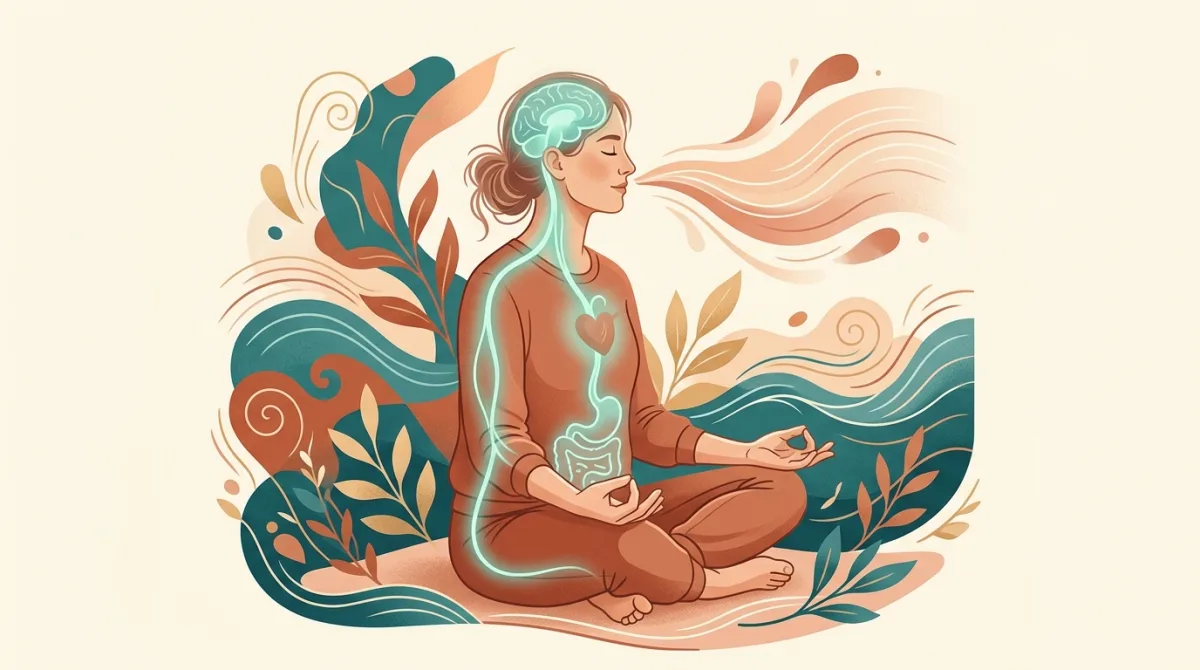
Your vagus nerve is the main switch for your body's 'rest and digest' mode. You can't think your way calm, but you can nudge this nerve physically — and the most reliable lever is your breath. Slow exhales that are longer than your inhales (try 4 in, 6–8 out) signal safety to your nervous system within minutes.
‘Vagus nerve’ has become wellness shorthand for calm — and for once the hype has real physiology behind it. This long nerve runs from your brainstem through your chest and gut, and it's the main pathway of your parasympathetic ('rest and digest') system. Stimulate it, and your heart rate, breathing and stress response settle.
Why it matters
When you're stressed, your sympathetic 'fight or flight' system dominates. The vagus nerve is the counterweight — the brake to that accelerator. People with higher 'vagal tone' tend to recover from stress faster. The best part: you can train and trigger it without any equipment.
Simple, evidence-friendly ways to activate it
- Extend your exhale. Breathe in for 4, out for 6–8. A longer exhale is the single most direct vagus-nerve calming tool.
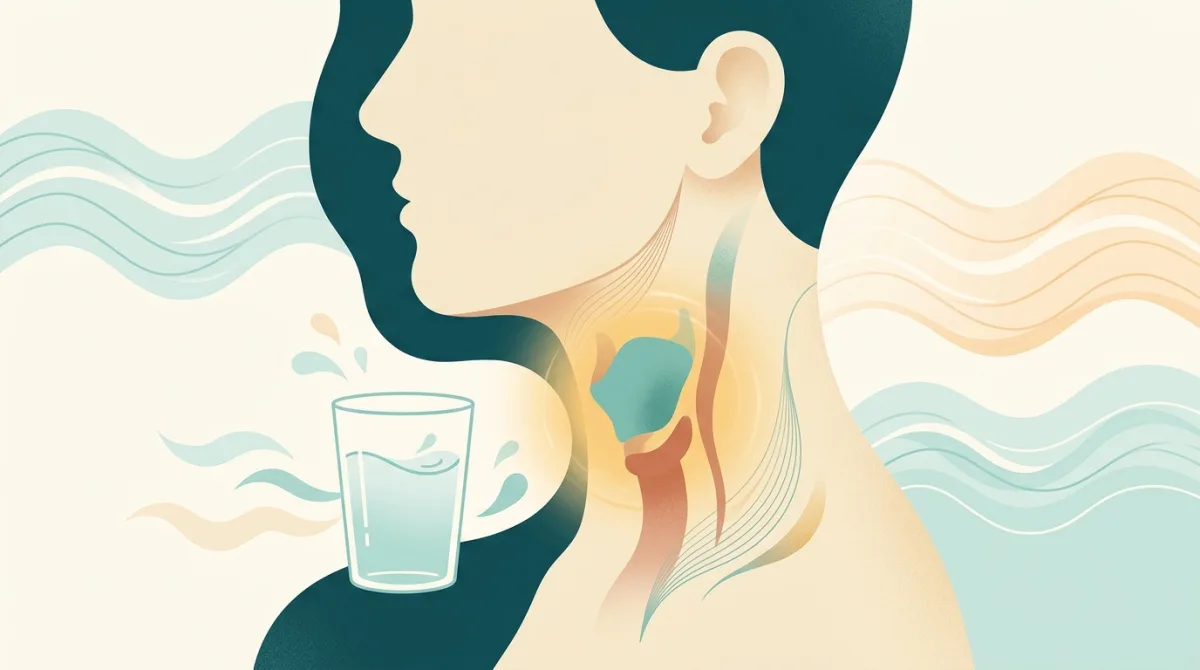
- Hum, sing or chant. The vagus connects to your vocal cords; gentle humming creates a soothing vibration.
- Cool your face. Splashing cold water on your face or holding a cold pack to your cheeks triggers a calming reflex.
- Slow, gargling or deep "voo" sounds on the exhale add vibration and lengthen the breath.
- Gentle movement and time outdoors support vagal tone over time.
Key takeaways
- The vagus nerve is your body's built-in stress brake.
- Longer exhales (4 in, 6–8 out) calm you within minutes.
- Humming, cold water on the face and gentle movement all help.
- Great for everyday stress — not a replacement for anxiety treatment.
This article is for general education and is not medical advice. Always consult a qualified healthcare professional about your individual health.