Why Colon Cancer Is Rising in Young Adults (And the Signs to Watch)
Colon cancer is rising sharply in people under 50, and doctors don't fully know why — but diet, gut bacteria, obesity and microplastics are all suspects. The danger is that young adults and doctors often dismiss the early signs. Persistent changes in bathroom habits, blood in stool, unexplained weight loss or ongoing belly pain deserve a check-up — regardless of your age.
For decades, colorectal cancer was a disease of older adults. That's changing fast: rates in people under 50 have been climbing for years, and it's now among the leading cancer concerns for younger adults. The hardest part? Early symptoms are easy to brush off as stress, diet or hemorrhoids.
Why is it rising in younger people?
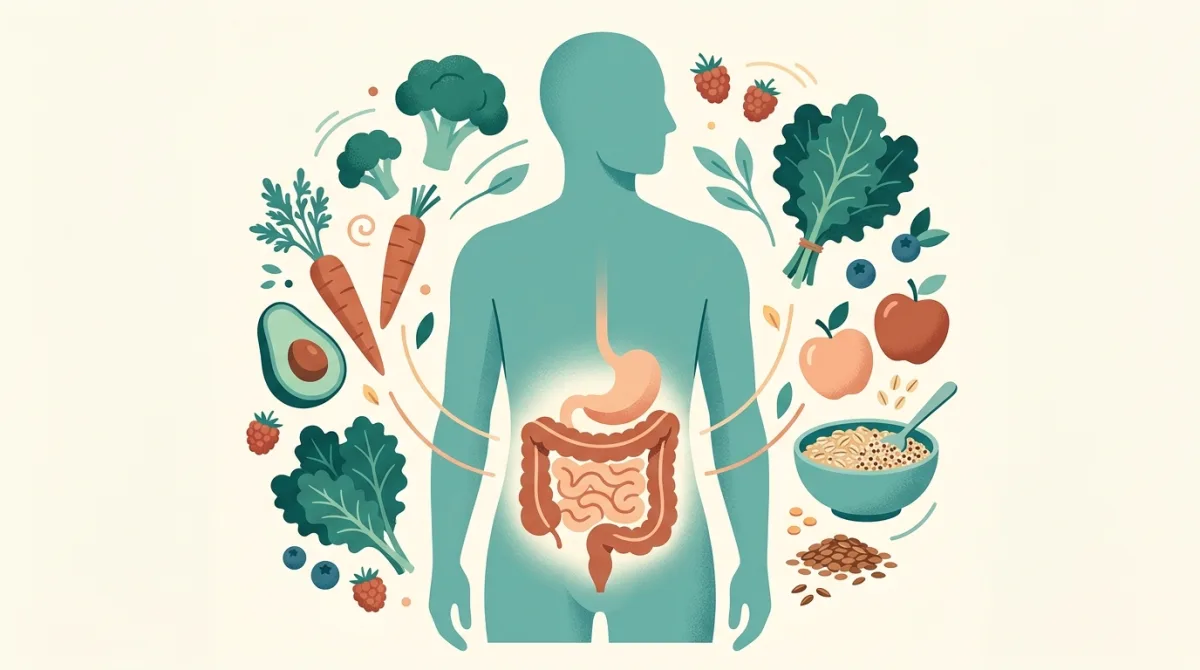
There's no single answer yet, but researchers point to a mix of modern factors: ultra-processed diets low in fibre, rising obesity and insulin resistance, changes in the gut microbiome, more sedentary time, and emerging concerns about microplastics and environmental exposures. Most likely it's several of these stacking up across a generation.
The early signs people ignore
- A lasting change in bowel habits — new constipation, diarrhoea, or narrow stools that don't resolve.
- Blood in or on the stool — bright red or dark/tarry. Never assume it's "just hemorrhoids."
- Ongoing abdominal cramps, bloating or pain.
- Unexplained weight loss or constant fatigue (a sign of slow blood loss/anaemia).
- A feeling that your bowel doesn't fully empty.
When to get screened
Many guidelines now lower the start age for routine colorectal screening to 45 for average-risk adults. If you have a family history of colon cancer or polyps, or symptoms, screening should start earlier — talk to your doctor about a colonoscopy or stool-based test.
Key takeaways
- Colon cancer is rising in under-50s — age no longer rules it out.
- Blood in stool or 3–4 weeks of changed bowel habits = see a doctor.
- Fibre, movement and a healthy weight lower your risk.
- If you have a family history, ask about screening before 45.
This article is for general education and is not medical advice. Always consult a qualified healthcare professional about your individual health.