Microplastics Are in Our Blood: What 2026 Research Says and How to Lower Exposure
Microplastics have been found in human blood, lungs, placentas and more. The honest state of the science in 2026: we know we're exposed, but the long-term health effects are still being worked out — so there's no need to panic. There are, however, simple, high-impact ways to cut your everyday exposure, mostly around heat, plastic and food.
Few health stories capture 2026 unease like microplastics. Researchers keep detecting these tiny plastic fragments in human blood, lungs, the gut — even placentas. It sounds alarming, so let's separate what's established from what's still uncertain, then focus on what you can actually control.
What we know — and what we don't
Known: microplastics are widespread in the environment and in our bodies; we ingest and inhale them daily from food, water and air. Still uncertain: exactly how much harm they cause to human health, at what doses, and over what timescale. Early research raises legitimate questions about inflammation and other effects, but firm conclusions aren't in yet. The sensible stance is caution without panic — and reasonable steps to reduce exposure.
Simple, high-impact ways to cut exposure
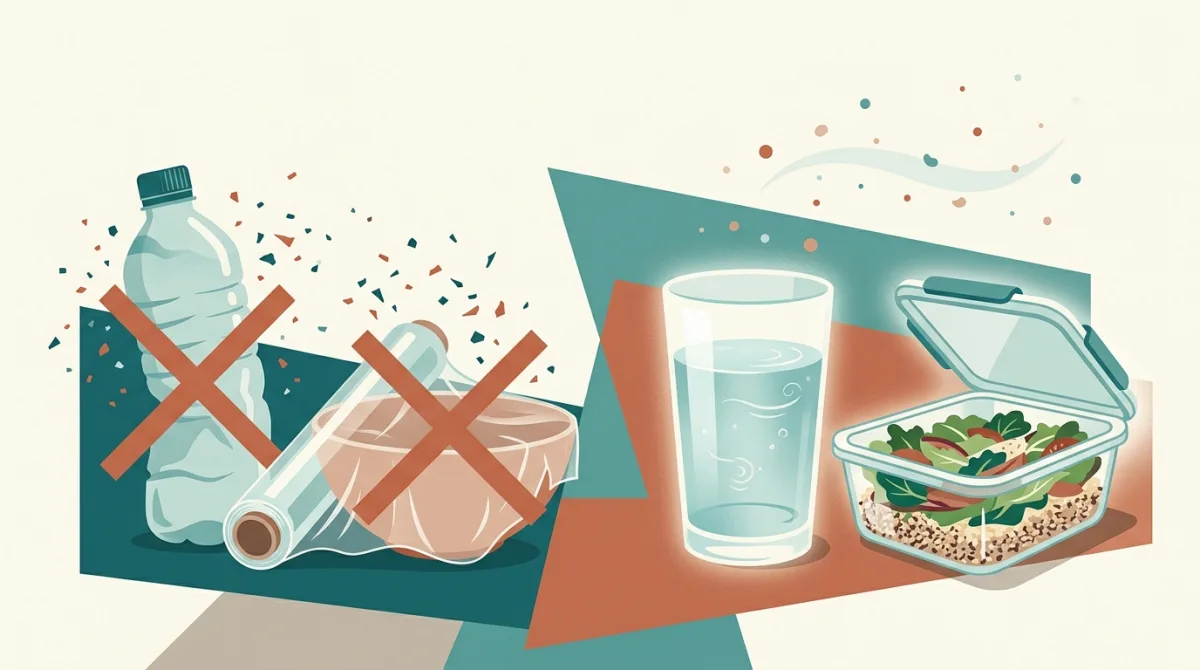
- Don't heat food in plastic. Heat is when plastics shed most — microwave in glass or ceramic, never plastic containers or cling film.
- Skip single-use plastic bottles where you can; filtered tap water in a glass or steel bottle is a big win.
- Avoid very hot drinks in plastic-lined cups and plastic kettles where possible.
- Cut ultra-processed and heavily-packaged foods — fewer plastic touchpoints, and healthier anyway.
- Ventilate and dust your home — household dust is a surprising source.
- Choose natural fibres and avoid heating or scratching non-stick and plastic cookware.
Key takeaways
- Microplastics are in our bodies, but long-term health effects are still being studied.
- The right stance is caution without panic.
- Never heat food or drinks in plastic — heat sheds the most.
- Glass/steel bottles and fewer packaged foods cut exposure the most.
This article is for general education and is not medical advice. Always consult a qualified healthcare professional about your individual health.